
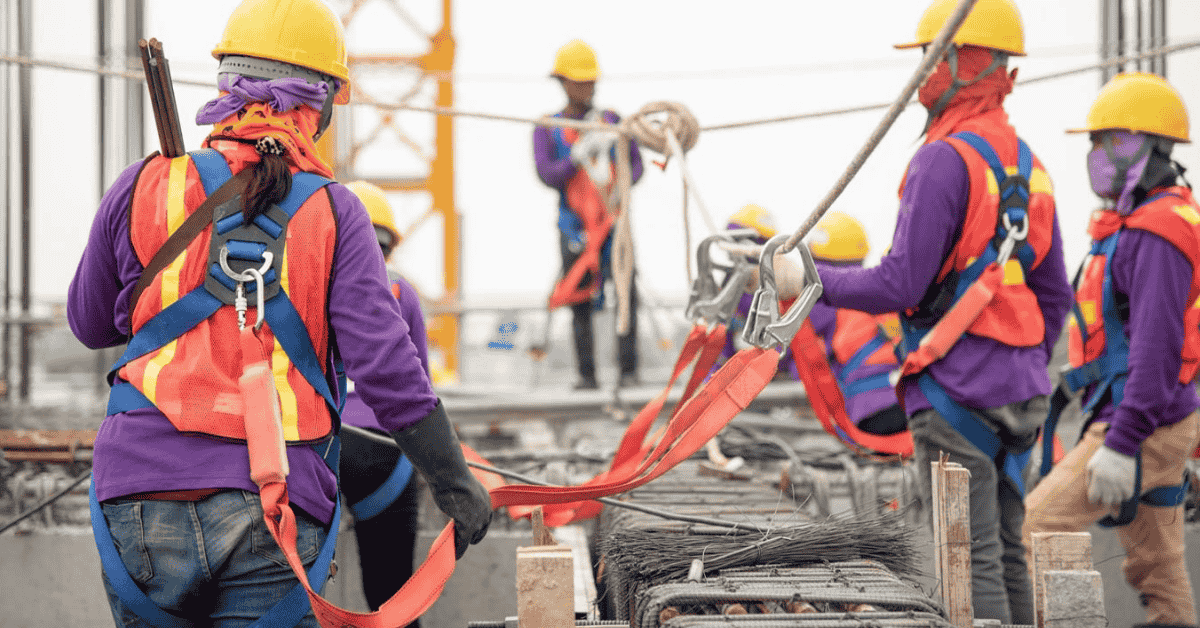
A Labour Card is a vital government-recognized document that provides social security and welfare benefits to workers in the unorganized sector across India. With online registration options and multiple state welfare boards promoting easy access, 2026 is a great year to apply for your labour card and start claiming benefits available for construction workers, daily wage earners, helpers, and other unorganized labourers.
This blog explains who can apply for a labour card, the benefits you get after registration, documents required, how to apply online, how to check application status, common problems, and important tips.
1. What is a Labour Card?
A Labour Card (also referred to as a Shramik Card) is an identification document issued to workers in the unorganised sector, including:
- Construction workers
- Daily wage labourers
- Helpers and informal workers
- Agricultural and industrial support workers
It serves as proof of employment history and helps workers avail government welfare schemes, financial assistance, insurance, skill training, and pension-related benefits.
2. Why Should You Get a Labour Card? (Key Benefits)
Registering for a labour card offers several advantages:
A) Social Security & Insurance
- Accident insurance coverage
- Life insurance benefits
- Pension benefits after retirement
B) Financial Assistance
- Monthly financial support in some states
- Aid during emergencies and medical needs
C) Government Welfare Scheme Access
- Housing support under relevant schemes
- Maternity and disability benefits
- Educational / scholarship support for children
D) Skill Development & Training
- Free or subsidized skill enhancement programs
- Priority access to training and upskilling sessions
E) Better Employment Opportunities
- Recognized identity for workers
- Easier access to job postings and welfare programs
These benefits help workers and their families gain stability and protection against risks in the informal sector.
3. Who Can Apply? (Eligibility Criteria)
To qualify for a labour card in 2026, applicants typically must meet the following conditions:
Basic Eligibility
- Age 18–60 years
- Must be a worker in the unorganised sector
- Should be a resident of the state where they apply
- Not a member of organized sector schemes like EPFO/ESIC
- Worked at least 90 days in the past 12 months (state dependent)
Different states may add additional conditions, but the above criteria represent the core requirements across India.
4. Documents Required for Labour Card Registration
You will generally need the following documents:
- Aadhaar Card (mandatory)
- Mobile number linked to Aadhaar
- Address proof (Voter ID, Ration Card, Utility bill)
- Proof of occupation (self-declaration / employer certificate)
- Bank passbook or account details
- Recent passport-size photo
- Age proof (Birth certificate / School certificate)
States may ask for additional proofs such as a 90-day work certificate or employer’s letter in certain boards.
5. How to Apply for a Labour Card in 2026 – Online Steps
Step 1: Visit the Official Portal
Head to the official portal where labour registration is supported, such as the e-SHRAM portal (the national portal for unorganized workers) or your state labour board’s website.
Step 2: Choose the Registration Option
Click on Register as Worker / Labour Card Registration.
Step 3: Enter Personal Details
Fill in your:
- Name
- Aadhaar number
- Mobile number
- Address
- Work details
- Bank account information
Step 4: Upload Documents
Upload all necessary scanned documents.
Step 5: Submit the Application
Review information and submit the form.
Step 6: Verification & Download
After approval, you can download your digital labour card or receive details from the issuing authority.
6. Offline Application (Alternative Method)
If you don’t have internet access or prefer manual methods:
- Visit the nearest Labour/Welfare Office
- Ask for the Labour Card application form
- Fill it and attach required documents
- Submit it with acknowledgement
- Tracking is typically done through your application number
Some states may charge a nominal fee for offline registration; others keep it free.
7. How to Check Labour Card Status
After applying, you can verify your status online:
Online Status Check Instructions
- Visit the labour registration portal
- Go to Check Application / Track Labour Card
- Enter your Aadhaar number or application number
- You’ll see the current status and approval stage
In some states, you may also find options to download or renew the labour card online.
8. Renewing Your Labour Card
Labour cards may need renewal depending on state rules. Common renewal steps include:
- Logging in to the state portal
- Selecting the Renew Labour Card option
- Updating work proof (such as 90 days of work)
- Submitting updated documents
Renew early to avoid disruption of benefits.
9. Common Problems & Solutions When Applying
Issue: Document Rejection
✔ Ensure scanned copies are clear and readable.
Issue: Name Not Matching
✔ Verify that Aadhaar and application details match exactly.
Issue: Long Processing Time
✔ Wait 7–30 days depending on state board processing speed.
Issue: Unable to Upload Online
✔ Visit a local Common Service Centre (CSC) for assisted registration.
10. Important Tips for Applicants
✔ Always use official government portals or authorised websites.
✔ Keep your mobile number linked with Aadhaar before applying.
✔ Regularly check your application status after submission.
✔ Avoid paying money to agents—registrations are free or very low fee.
Conclusion
A Labour Card in 2026 is an essential document for every worker in the unorganised sector. It not only serves as identification but unlocks access to social security benefits, insurance, financial aid, pension support, and government welfare schemes. Whether you choose to register online through portals like e-SHRAM or apply offline at labour offices, ensure your details are accurate and your documents are ready to speed up the process.
Apply with confidence and start benefiting from worker-centric support systems designed to protect and uplift India’s labour workforce.
DISCLAIMER
This article is provided for informational purposes only and reflects general procedures and benefits related to labour card registration in 2026. Processes, eligibility criteria, and benefits may vary slightly by state or board. For precise instructions, always refer to your state’s official labour department portal or government notifications.
